The demand for resort accommodation is growing faster than builders can supply it
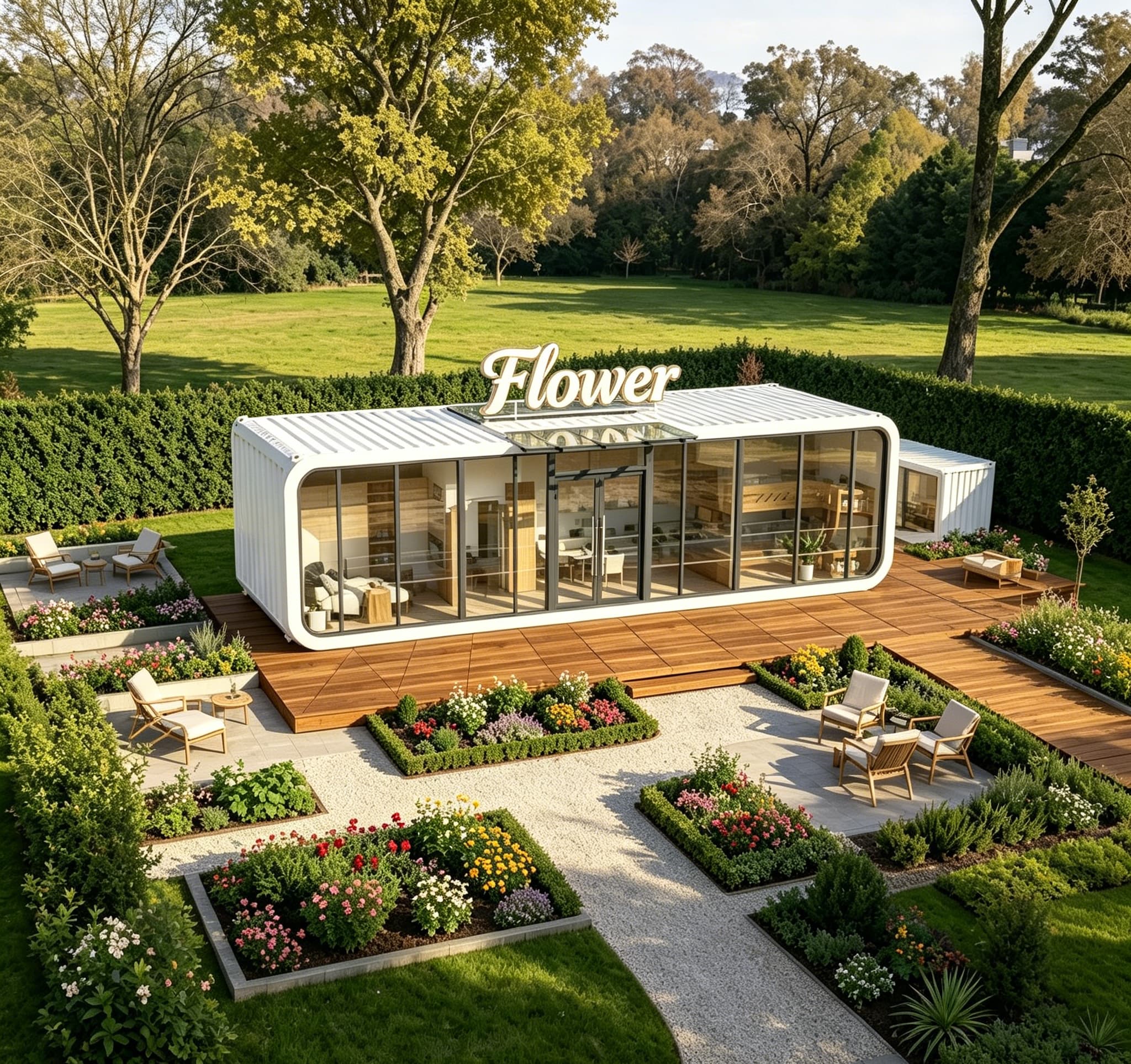
Tourism is recovering globally. Capsule homes deploy in days — here's why that changes everything for resort developers.
Global tourism has not just recovered from the disruptions of the early 2020s — it has surpassed pre-pandemic levels in many segments, with nature-based and boutique accommodation growing fastest. Glamping in particular has seen double-digit growth year-on-year since 2022, driven by travellers who want immersive outdoor experiences without sacrificing comfort.
The supply problem
Resort developers know the demand is there. The problem is supply. Traditional hotel construction is capital-intensive, slow, and locked into permanent infrastructure. Building a 20-room lodge from scratch might take two years and cost ten times more per key than a modular capsule unit. By the time it opens, market conditions may have shifted entirely.
Capsule homes solve this directly. A developer who orders ten F5 units can have them on site and generating revenue within three months of signing. If the market shifts — if a new site becomes available, or a location underperforms — the units can be relocated. That optionality has a real financial value that static construction simply cannot offer.
What operators are actually building
- ✓Lakeside and riverside glamping villages with 8–20 units
- ✓Mountain retreat clusters with premium interior specs
- ✓Beach and coastal boutique resorts in tourist zones
- ✓Tea houses and wellness pods as F&B or spa add-ons
- ✓Urban rooftop and infill micro-accommodation
The operators we work with range from individual investors building their first glamping site to established hospitality groups expanding a portfolio. What they share is an understanding that speed, quality, and flexibility now matter more than permanence. Capsule homes deliver all three.
Get in Touch
Product enquiries, custom project briefs, or general questions we aim to reply within 24 hours.